
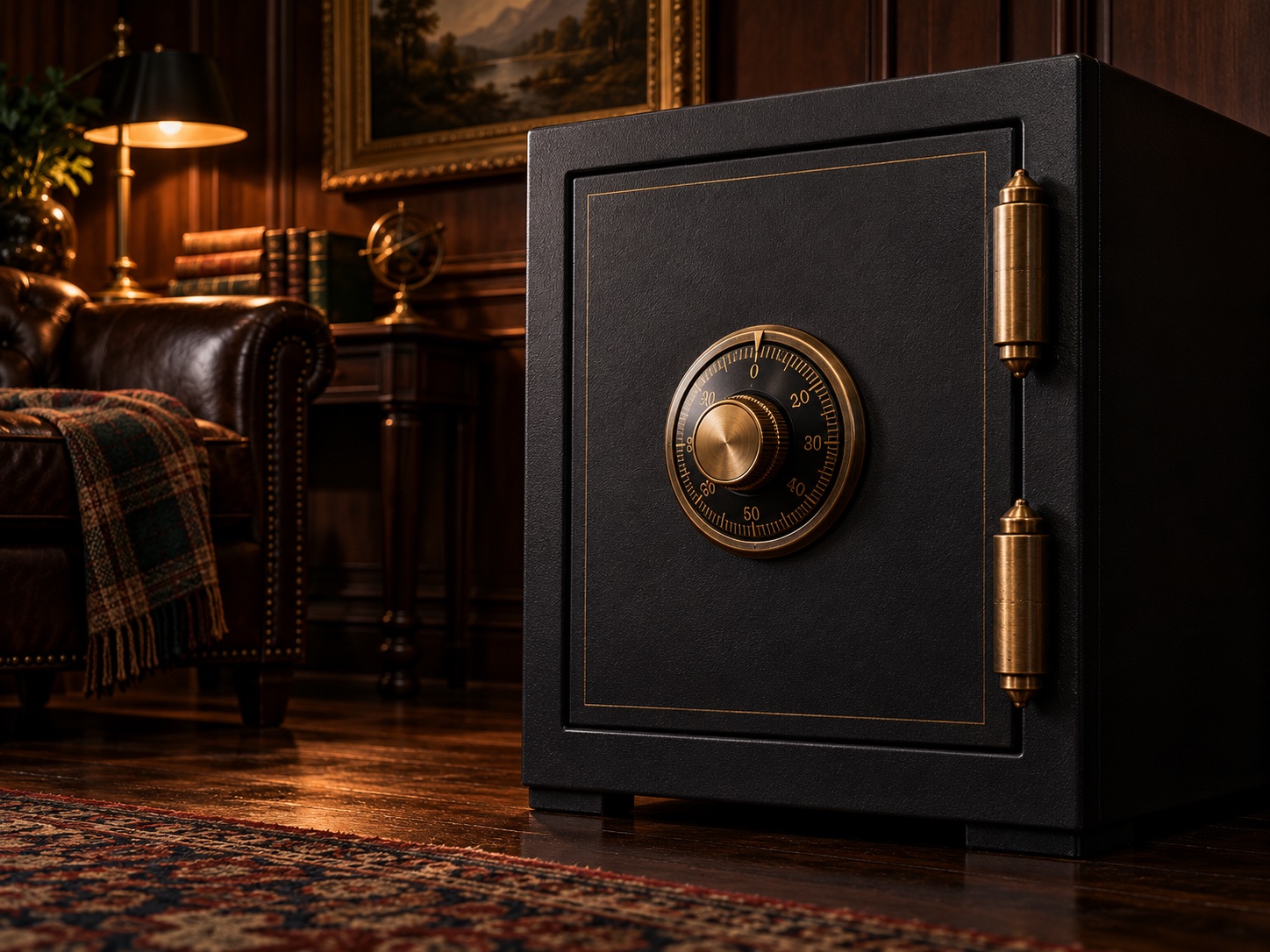
Responsible storage begins with a simple question: who could gain access? A location that feels private to an adult may still be accessible to a child, a visitor or another unauthorized person. A hidden firearm is not a securely stored firearm.
Start with the basic principles
The CDC identifies secure storage as a way to help prevent unauthorized access. Its guidance points to storing firearms unloaded and locked, with ammunition secured separately. These are general safety principles, not a ranking of storage products or a guarantee against every risk.
Use the instructions supplied by the firearm and storage-device manufacturers. If you do not understand the safe handling or storage requirements, obtain qualified, in-person guidance before proceeding. An online article cannot inspect a particular firearm or verify that a storage arrangement is appropriate.
Think about the whole household
Consider visiting children as well as children who live at home. Consider spare keys, shared codes and changes in who has access to a room. Secure storage is an ongoing responsibility; it should not depend on everyone remembering to stay away from a particular drawer.
Storage conversations work best when they are direct and practical. Before a child visits another home, asking whether firearms are present and securely stored is a reasonable part of planning for safety. A clear answer is more useful than assumptions about another household.
Revisit the plan when circumstances change
A move, a new household member or a change in visitors can make yesterday's arrangement inadequate. Review access permissions and manufacturer maintenance guidance. Do not publish storage locations, keys or codes online.
Storage laws vary by location and can change. Check current official guidance for your jurisdiction; this article is general education, not legal advice. The sources below provide a starting point, and our methodology explains how we distinguish source-based guidance from testing.
How we approach evidence →