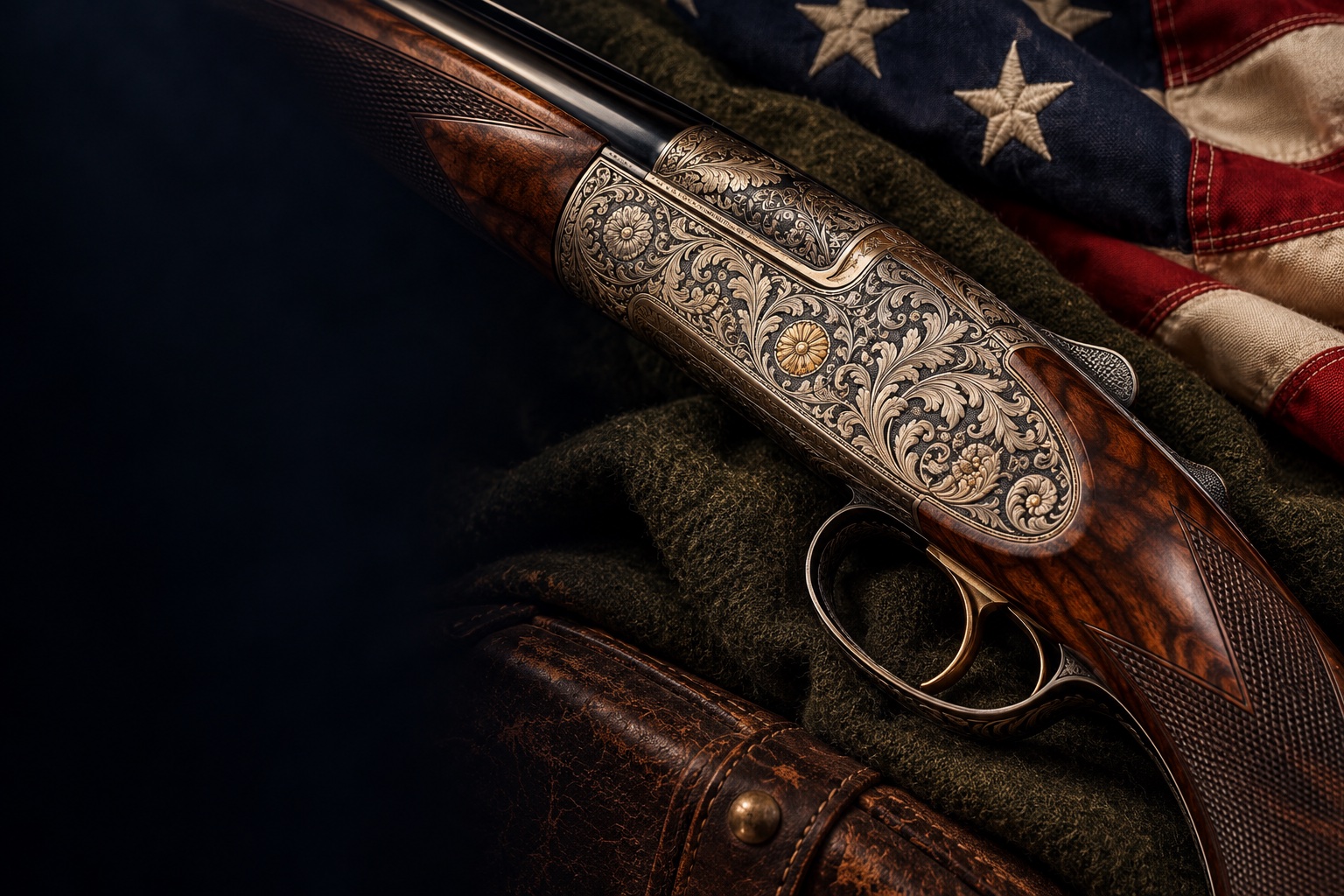
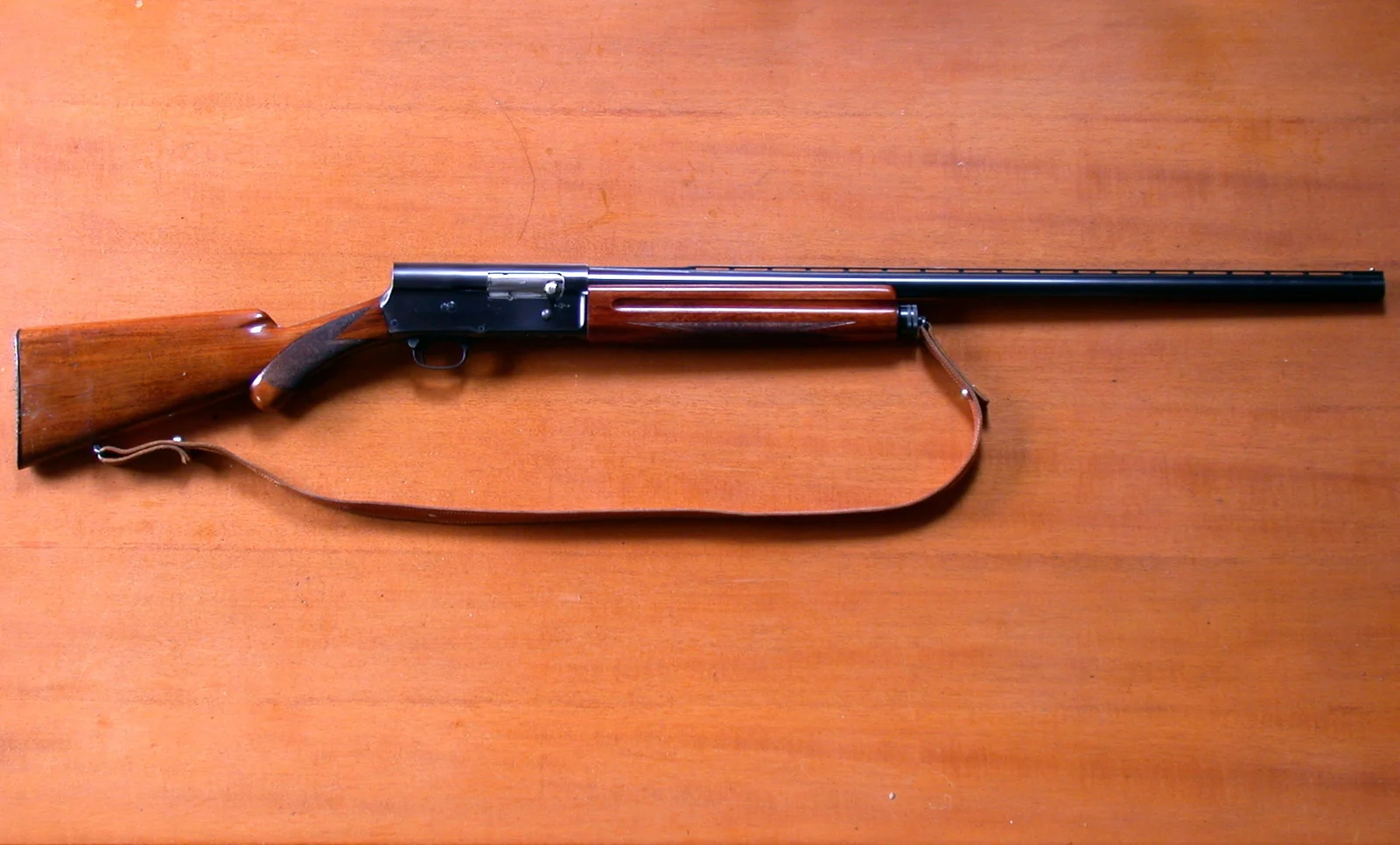
- Designer
- John M. Browning
- Production began
- 1902
- Keep distinct
- Auto-5 / modern A5
Research-only design profile. This is an editorial assessment of historical significance, not a hands-on test, product recommendation or performance rating.
A shape can outlive a product
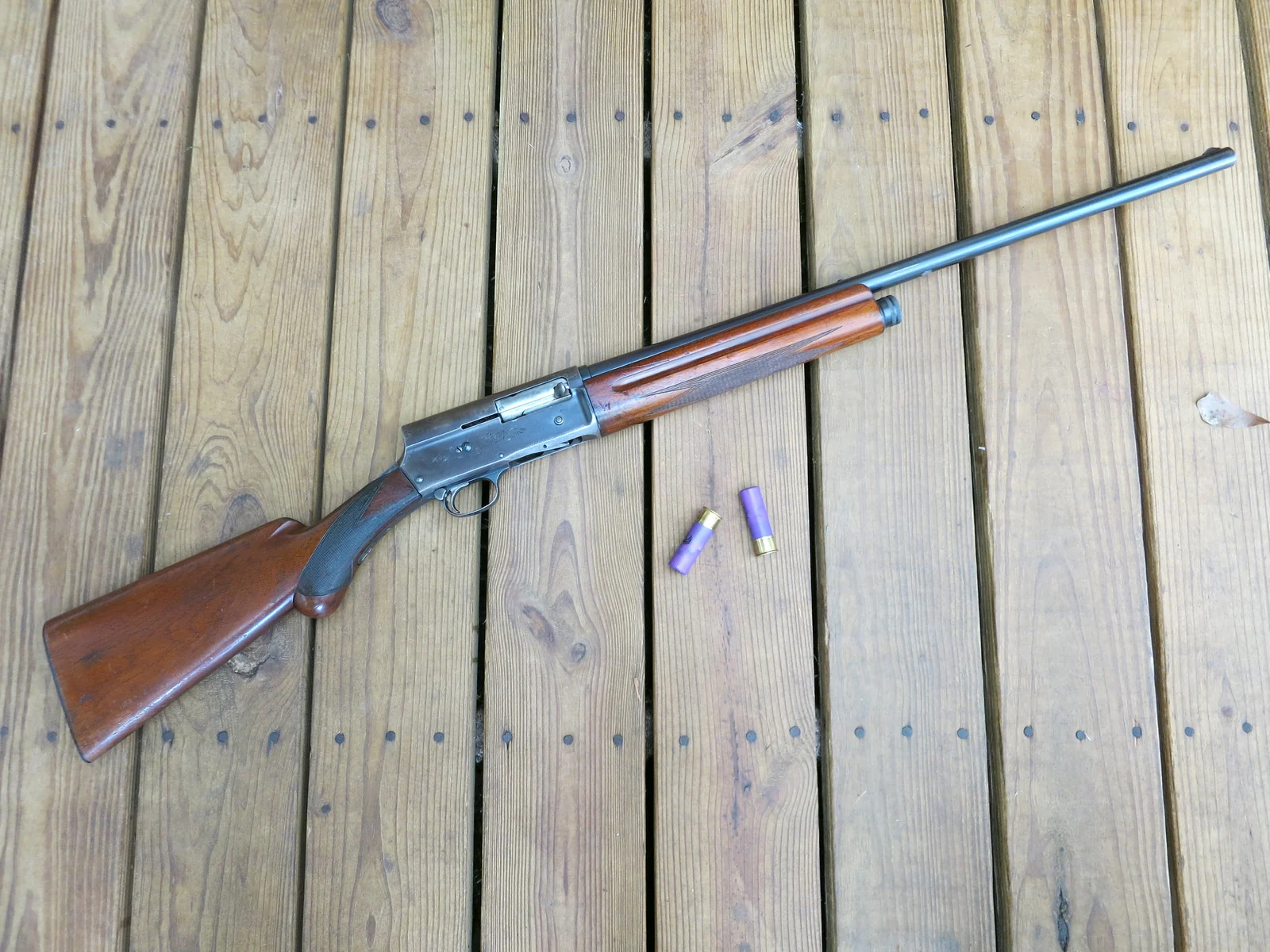
Some industrial objects are remembered first by their outline. The historical Browning Auto-5 offers a particularly clear example: its distinctive raised rear receiver profile has become central to the way the design is described. That visual identity gives an editor an immediate point of entry, but it also creates a trap. A familiar shape can suggest continuity where a more careful history reveals important differences.
This profile concerns the historical Auto-5 and its design identity. It does not assess an individual shotgun, compare practical performance or transfer the reputation of an older design to a newer product. The distinction between historical Auto-5 and modern A5 is central to the article.
American invention, international production
Browning’s historical account traces the design to John M. Browning and describes its early production relationship with Fabrique Nationale in Belgium. Its official dating reference places the start of Auto-5 production in 1902. Read together, these sources make the design a transatlantic story rather than a simple equation between an American inventor and exclusively American manufacture.
That matters to a publication interested in American heritage. National design stories often become more revealing when they include international relationships. An inventor’s identity, the location of production and the places where an object acquires cultural meaning need not be identical. Keeping those categories distinct makes room for a fuller account.
Read dates with their qualifications
The manufacturer’s dating reference explicitly warns that early records are incomplete and exact figures are unavailable for some periods. It also describes a Final Tribute edition in 1999 and discontinuation in 2000. A separate modern A5 article gives 1998 as the end of the original Auto-5. Rather than forcing those statements into one falsely exact endpoint, we retain the distinction and the uncertainty around the late-production transition.
For a general historical essay, that is more honest than presenting a tidy date without context. Production histories can use different boundaries: regular manufacture, special editions or a formal catalogue discontinuation. The sources here do not fully reconcile their wording. Readers should not use this overview to establish the date or provenance of a particular object.
Auto-5 and A5: resemblance is not identity
Browning’s account of the modern A5 places its introduction in 2012 and distinguishes its operating design from the historical Auto-5. The older model used a long-recoil system; the modern A5 uses a different inertia-based system. That high-level distinction is enough for the historical point: shared visual references do not make the two products mechanically identical.
We do not describe operating sequences or provide technical guidance. The editorial issue is attribution. A statement about the original Auto-5 must remain attached to that historical design. A claim about the modern A5 requires evidence about that product. The familiar outline cannot bridge the gap on its own.
Why visual memory deserves attention
Our interpretation is that the Auto-5 is especially interesting as a case of design recognition. An outline can become a compact container for memories, associations and stories. Later designers can refer to that outline, and readers may recognize the reference before they know the details of the newer object.
This is not a claim that every observer shares the same response, nor a measured statement about popularity. It is an editorial reason to examine the relationship between shape and identity. The historical subject remains worthwhile even when we set aside product rankings and ask instead how a visual feature can carry meaning across time.
Manufacturer history is one perspective
The sources for this profile are Browning publications. They provide a first-party account of the company’s historical narrative and product distinctions, but they also serve a commercial brand. We use their specific historical information with attribution and do not adopt promotional claims about superiority or enduring performance.
A deeper study would add independent archival and museum records, especially to resolve production transitions. This article should therefore be read as a bounded introduction, not a complete catalogue history. Its visible qualifications are part of the assessment rather than exceptions hidden beneath a confident verdict.
Our considered view
The historical Auto-5 earns a place in this series for two connected reasons: its transatlantic production story and its memorable visual identity. Together they show how design heritage can travel across borders and across later products. Neither reason establishes how an individual example performs.
The most useful takeaway is a habit of precision. Say Auto-5 when discussing the historical design; say modern A5 when that is the subject. Identify the period, acknowledge incomplete records and keep visual resemblance separate from technical identity. That approach gives the silhouette its due without asking it to prove more than it can.
How we approach evidence →